
Gallery 201 and 203
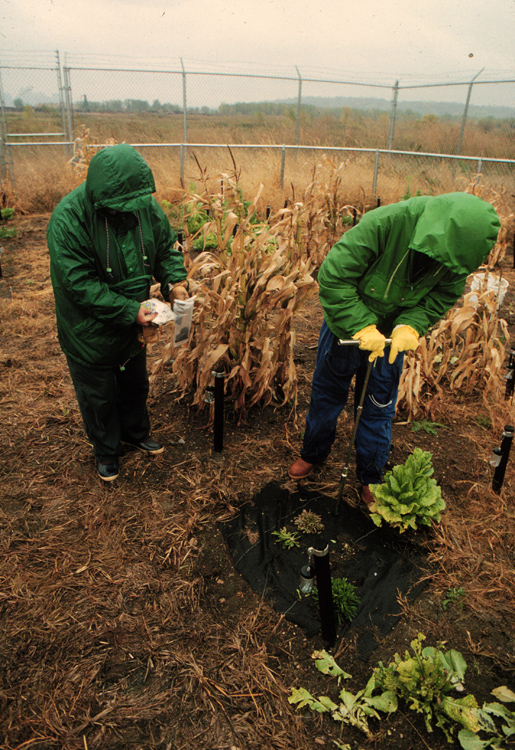

Inevitably, the exhibition Arts of the Earth leads to the study of the complex realities of the post-industrial geological era known as the Anthropocene. Strategies for remediating this global ecological imbalance involve questioning modern practices and acknowledging the damage they cause. These strategies also imply fostering liberating encounters between immemorial knowledge, which must be restored and recognized, and new discoveries that require support and investment: dialogues between ancient knowledge, innovation, and activism. Artifacts and tools from the Basque Country and other traditional agrarian communities in the Iberian Peninsula resonate with the practices of indigenous communities such as those in the Amazon, who are fighting for survival. For millennia, their customs and wise lifestyle have ensured the preservation of key biotopes, including their fertility and resilience in the face of disasters. Likewise, the introduction of new configurations somewhere between art, architecture, and agrobotany force us to observe the inevitable frictions. The composting or “rewilding” of cultural objects in the land contrasts with ecosystem studies that redefine the distance between the symbolical and the useful. Meanwhile, experimental engineering and constructive hypotheses seek to reverse the power dynamic between technical progress and planetary interests.