
Gallery 302. Art and Conflict


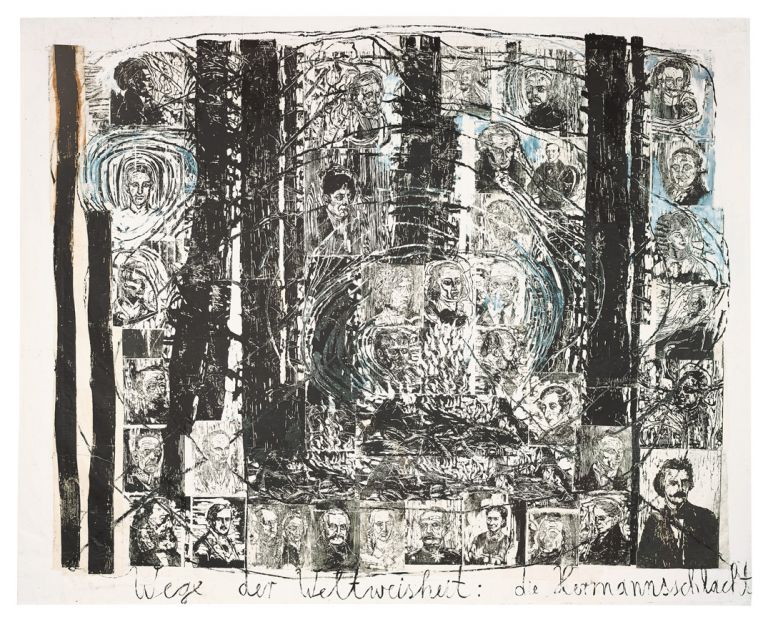
This gallery brings together perspectives that, through diverse artistic mediums and materials, explore the experience of violence and its aftermath—from the visible to the hidden, from the structural to the intimate. Rather than offering clear answers, these works confront us with discomfort and ambiguity, inviting a slow, attentive gaze, the kind needed to reflect on the complexity of the events they represent.
Doris Salcedo turns everyday objects into sculptures that carry the memory of lives cut short during the armed conflict in Colombia. In doing so, she gives form to loss, creating spaces for mourning and reflection. Mona Hatoum transforms household items into threatening forms, exposing how the familiar can turn dangerous and revealing the hidden fragility of the home. In There Was a War, Jenny Holzer gives voice to civilians who were detained, tortured, or displaced under the dictatorship of Bashar al-Assad in Syria. Their suffering is shown in the form of illuminated words along a column, urging us to read, to feel, and to remember. Kendell Geers’s Akropolis Now, an imposing barrier, cuts disruptively across the organic, fluid lines of Frank Gehry’s gallery, restricting our movement through the space. Its title suggests such barricades may be the architectural monuments by which Western civilization will one day be remembered. The rest of works in this gallery address various historical conflicts that shaped the lives of millions—wars, authoritarian regimes, and imposed dogmas—on both collective and individual experience.
In a world still scarred by conflict, war, and inequality, art remains a place where silence finds voice and what seems unrepresentable takes form. Each of these works calls us to face violence directly, without beautifying or trivializing it, and to reflect on the role art can play in creating memories that, however uncomfortable, remain essential.