

Our Commitment to the Environment
Our Environmental Sustainability Plans include actions to improve energy efficiency and ambitious initiatives to minimize the environmental impact of our activities, with the aim of achieving climate neutrality by 2030.
Currently, we are working on how to improve energy efficiency, implement methods and technologies inspired by ecological transition, reduce the use of raw materials, develop recycling and circularity projects, and promote awareness-raising activities among the Museum’s Community and visitors.
Sustainable initiatives
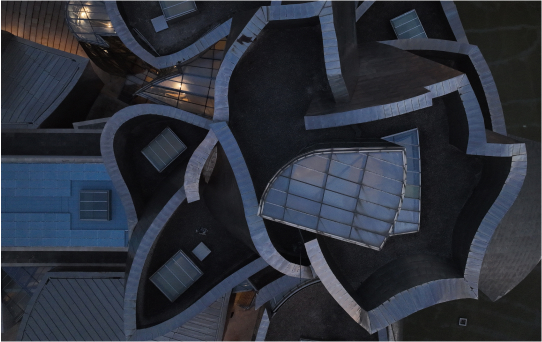
Solar Panels
The installation of 300 solar panels on the Museum’s rooftops has led to a 5% reduction in electricity consumption and now powers the lighting needs for all exhibition galleries.

Renewable Electricity
Since June 2024, 100% of the Museum’s electricity has come from sustainable sources, helping reduce the carbon footprint by more than a third.
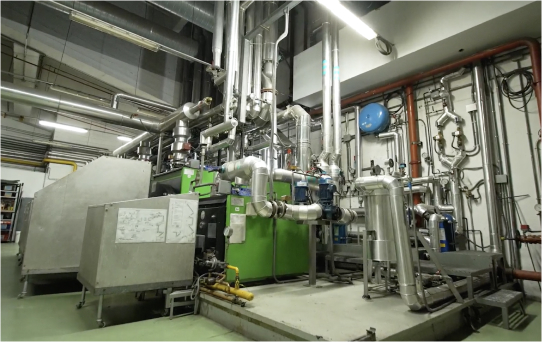
Temperature and Humidity Control
In 2022, the Museum applied temperature and humidity controls more in line with the outside weather conditions. Since then, gas consumption has been reduced by 30% and use of electricity by 6%. Moreover, since the end of 2024, we have been using even more flexible relative humidity controls, following the recommendations of ICOM, IIC, and the Bizot Group.
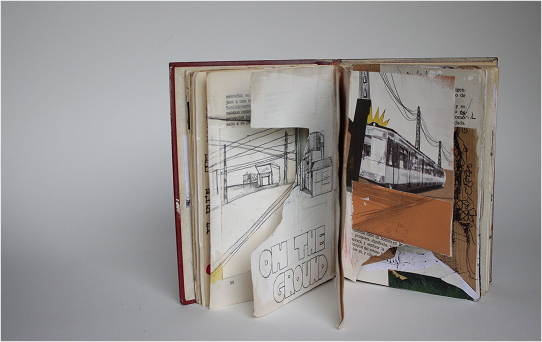
Reducing Paper, Recycling, Reusing
These three actions are part of a circular economy, beginning with responsible procurement and the choice of recyclable and recoverable materials.
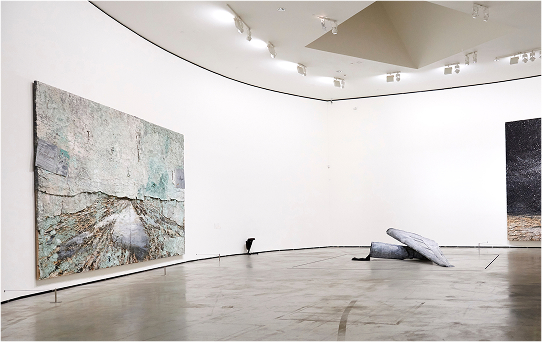
LED Lighting
Between 2015 and 2021, all Museum lights were replaced by LED technology. This led to a reduction in its carbon footprint, saving 335 tons in CO2 emissions a year and reducing the use of electricity by 25%.
Dynamic Lighting
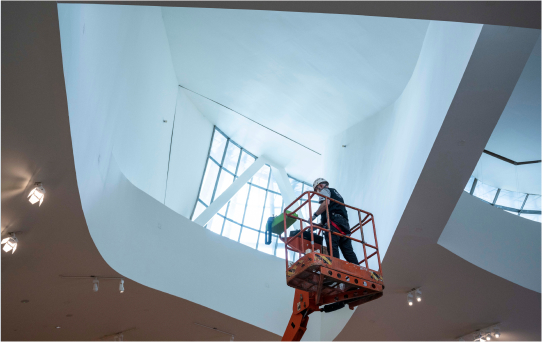
In 2022, the Museum set out to reopen the building’s skylights and go back to the original gallery layout, combining natural light and LED lighting automatically.
Bio-sustainable Logistics and Museography
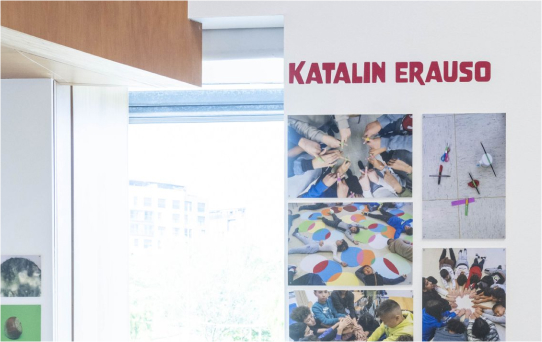
In 2024, the Museum introduced biodegradable paint and 100% recyclable wood fiber boards for exhibition design with positive results. Since then, we have been testing other materials in our efforts to recycle and/or reuse the elements used in staging the shows.